
How to Defer or Change Course
10 min read Guide Updated 2026-03-13
Understanding Why You Might Defer or Change Your University Course
You have the right to rethink your university choices between submitting your UCAS application and starting your degree. Taking a gap year to work or travel requires formal permission from your chosen university. Switching to a different subject requires you to meet the specific entry requirements for that new department. Unexpected personal circumstances give you valid grounds to request a delayed start date.
According to UCAS (2024), 10% of UK 18-year-old applicants deferred their university place in 2024. This data represents nearly 35,000 students delaying their start date. Universities process these deferral requests daily, provided applicants meet their offer conditions.
According to the Higher Education Statistics Agency (2022), 5.3% of young entrants on their first full-time degree do not continue beyond their first year. Many of these students actively switch to a different programme instead of dropping out. You must follow specific administrative steps to change your course before enrolment or after you arrive on campus.
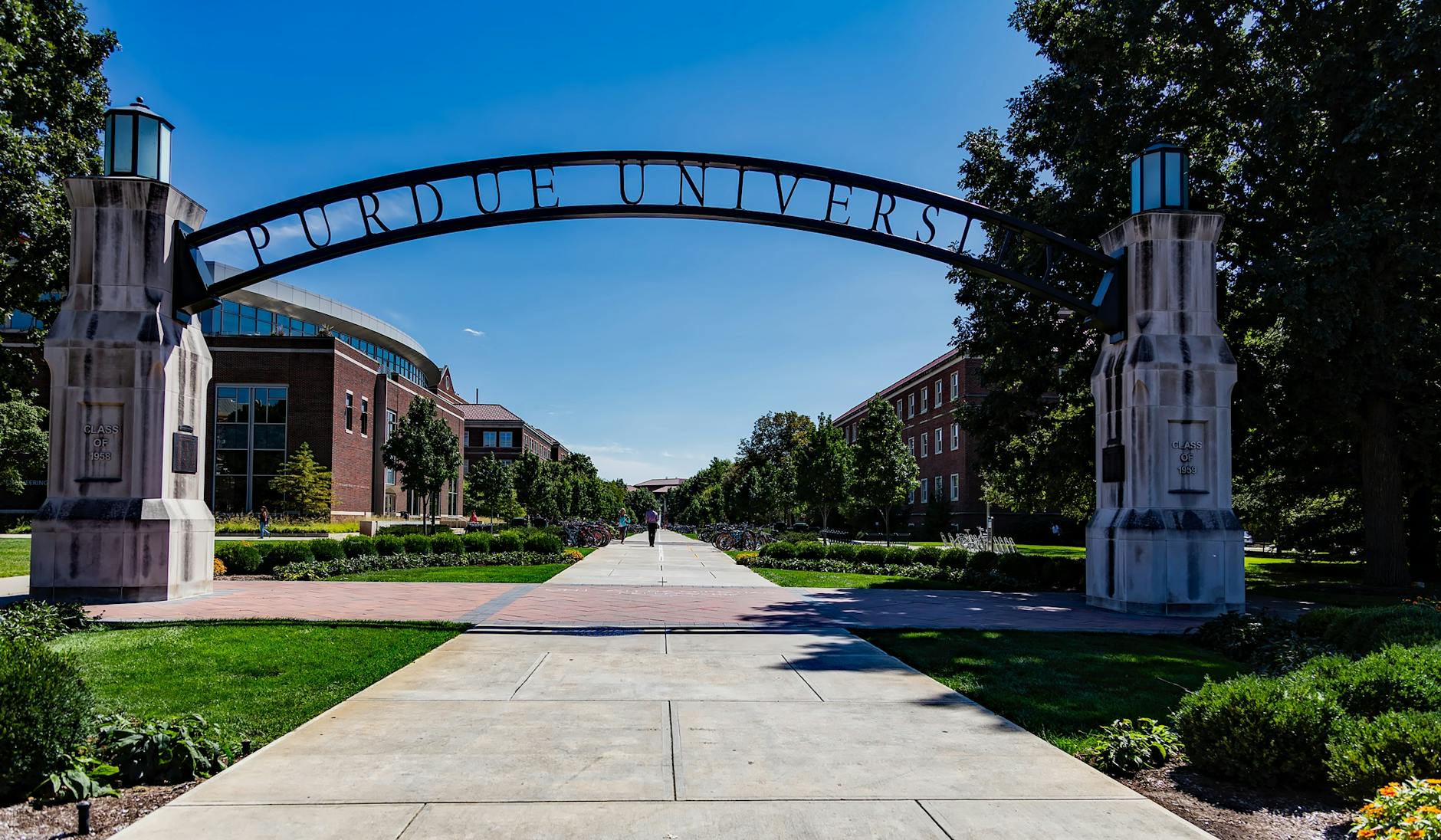
How to Defer Your University Course Before You Start
Check the deferral policy for your specific course
Every university sets its own rules regarding deferred entry. Most institutions permit you to delay your start date by one academic year. Admissions teams for highly competitive courses like medicine or dentistry often reject deferral requests to manage their strict capacity limits.
Search for the specific admissions policy on your university website. Read the section detailing deferred entry for your exact degree programme. Universities often require you to submit a written outline of your gap year plans to prove you will use the time constructively.
Never assume your university will automatically grant a deferral request. You must receive written confirmation before you make any non-refundable gap year plans.
Contact the university admissions team directly
You cannot defer your place by simply clicking a button on your UCAS Hub. You must contact the university admissions department directly. Call them on the phone for the fastest response. Follow up with a formal email detailing your UCAS personal ID number, your course code, and your reasons for deferring.
Do this as soon as you make your decision. Universities prefer to know about deferrals early so they can offer your original place to someone in Clearing. If you request a deferral on A-level results day, the admissions team will be incredibly busy and might take days to process your request.
Once the university agrees to your deferral, they will update UCAS on your behalf. Your UCAS Hub will then show your new start date for the 2027 academic year. Keep a copy of the confirmation email for your records.
Confirm your gap year plans and meet your offer conditions
Receiving permission to defer does not guarantee your place if you hold a conditional offer. You still need to achieve the A-level or BTEC grades specified in your original offer. If you miss these grades on results day, the university can withdraw your deferred place entirely.
If you plan to resit exams during your gap year to get better grades, you must tell the university immediately. Some institutions do not accept resit grades for deferred entry. Once you get your results and meet the conditions, your place becomes unconditional for the following year. You can then spend your gap year without worrying about university applications.
How to Change University Course Before the Academic Year Begins
Request an internal course transfer at your firm choice
Changing to a different course at the same university is the easiest way to switch your degree. Universities want to keep their students and protect their retention rates. They will usually accommodate your request if the new course has available spaces and you meet the entry requirements.
Contact the admissions tutor for the department you want to join. Explain why you want to switch and provide evidence of your relevant qualifications. If you applied for History but want to switch to English Literature, you need to prove you have the required grades in English.
Do this well before the term starts. The earlier you ask, the more likely you are to secure a place. If the new course is full, ask to be placed on a waiting list in case another student drops out before September.

Use UCAS Extra or Clearing for a new university
If you want to change your course and your university, you must use the UCAS system. If you hold offers but want to reject them all to apply somewhere else, you can use UCAS Extra. According to UCAS (2025), UCAS Extra opens on 26 February 2026 for students who have no offers or have declined all their offers.
UCAS Extra allows you to apply for one new course at a time. If you wait until the summer, you can use UCAS Clearing. Clearing opens on 5 July 2026 and lists all courses that still have vacancies. You must decline your current firm place to enter Clearing.
Call universities before you decline your firm choice. Ask if they will accept you through Clearing first. Only release yourself into Clearing once you have a verbal offer from a new institution.
How to Change Degree Course After You Have Started
Speak to your academic tutor and student support
Realising you dislike your course after term starts is stressful but fixable. Your first action must be speaking to your personal academic tutor. They can explain the reality of the course and tell you if the modules become more interesting in the second term.
If you are certain you want to switch, ask your tutor about the transfer process. You should also visit your university student support centre. They can advise you on how a transfer will affect your housing contract and your student finance.
Act quickly if you want to switch within the first few weeks of term. Many universities allow students to transfer to a similar course within the first month without repeating the year. If you wait until November, you will likely have to restart the entire first year the following September.
Complete the formal transfer or withdrawal paperwork
You must complete official university paperwork to change your course. Do not simply stop attending your current lectures and start sitting in on new ones. The university will fail you for non-attendance on your original course and ignore your presence on the new one.
Obtain a transfer form from your academic registry. You will need signatures from the head of your current department and the head of your new department. If you are moving to a completely different university, you must complete a formal withdrawal form at your current institution.
Keep paying your rent and attending your original seminars until the transfer is fully approved. Leaving a gap in your attendance can trigger a report to Student Finance England, which might pause your maintenance loan payments.
The Financial Impact of Deferring or Changing Course
Update your student finance application online
Changing your course or your start date directly impacts your student loan. If you defer your entry by a year, you must cancel your current student finance application entirely. You will then need to submit a fresh application in the spring of 2027 for your new start date.
If you change your course before term starts, log into your online student finance account and update your application details. You must change the university name, course title, and tuition fee amount. Failing to do this means your new university will not receive your tuition fee payment on time, which can block you from enrolling.
If you change your course after term starts, you cannot change the details online yourself. Your university must send an electronic Change of Circumstance notification directly to Student Finance England. You should still log into your account a week later to ensure the update has been processed. You can use a student budget calculator to see how changing your course location might affect your living costs.
| Current Situation | Action Taken | Future Funding Entitlement |
|---|---|---|
| Completed Year 1 | Transfer directly into Year 2 of new course | Full funding for remaining 2 years |
| Dropped out in Year 1 | Start new 3-year course from Year 1 | Full funding for new 3-year course |
| Dropped out in Year 2 | Start new 3-year course from Year 1 | Funding for Years 2 and 3 only (must self-fund Year 1) |
| Completed 3-year degree | Start a second undergraduate degree | No funding available for most subjects |
Calculate your remaining student finance entitlement
Student Finance England provides funding for the length of your course plus one gift year. This rule protects you if you need to restart your first year or change your degree entirely. You must understand this formula before you drop out or switch courses.
The formula requires you to take the length of your new course, add one gift year, and subtract the number of years you have already studied. The final number equals the years of funding you have left. If you drop out in November of your first year, Student Finance England counts that as a full year of study.
If you drop out in your first year to start a new three-year degree the following September, you will consume your gift year. Student Finance England will fund your entire new three-year course. If you drop out in your second year and start a new degree, you must pay the tuition fees for the first year of your new course yourself.
Student finance rules differ across the UK nations. Always check with Student Awards Agency Scotland, Student Finance Wales, or Student Finance NI if you live outside England.
How Visa Rules Affect International Students Changing Course
Consult the international student support team
International students face strict visa rules when changing courses. You must contact your university international student support team before making any changes. Switching to a course at a lower academic level or moving to a different university usually requires you to apply for a new Student Visa.
The Home Office requires universities to monitor international student attendance. If you stop attending classes because you want to change courses, your university will report you for non-attendance. Always follow the formal transfer process to protect your immigration status.
Report changes to UK Visas and Immigration
Your university acts as your visa sponsor. If you withdraw from your course entirely, the university must report this to UK Visas and Immigration within 10 days. UK Visas and Immigration will then curtail your visa, giving you 60 days to leave the UK or apply for a new visa.
If you transfer to a new course at the same university, your sponsor must still report the change. You might not need a new visa if the new course finishes before your current visa expires. If the new course is longer, you will need to apply for a visa extension before your current leave expires.
Read our student money guide to understand exactly how your loan repayments work after you graduate. If you are moving to a new city for your new course, check our student housing section to learn about tenancy agreements and deposits.
For more detailed advice on handling university administration and managing your student life, explore the rest of the guides on thegrads.uk.
Frequently Asked Questions
Can I defer my university place after A-level results day?
Yes. You can request a deferral after receiving your results. You must contact the university admissions team immediately to ask for permission. They evaluate late deferral requests on a case-by-case basis.
Will I lose my university place if I ask to defer?
Asking to defer will not cancel your current offer. If the university refuses your deferral request, you keep your original place for the current academic year. You then have to choose between starting in September or withdrawing your application entirely.
How much does it cost to change university course?
Changing your course before the term starts costs nothing. If you change courses after the first few weeks of term and have to restart the following year, you will consume part of your student finance entitlement. You will also remain liable for any private accommodation rent you agreed to pay.
Can international students change their course easily?
International students face strict visa rules when changing courses. You must contact your university international student support team before making any changes. Switching to a course at a lower academic level or moving to a different university usually requires you to apply for a new student visa.